
“Are we actually learning anything new?”
Drimmer, Sonja. “How AI Is Hijacking Art History.” The Conversation, 21 Nov. 2021
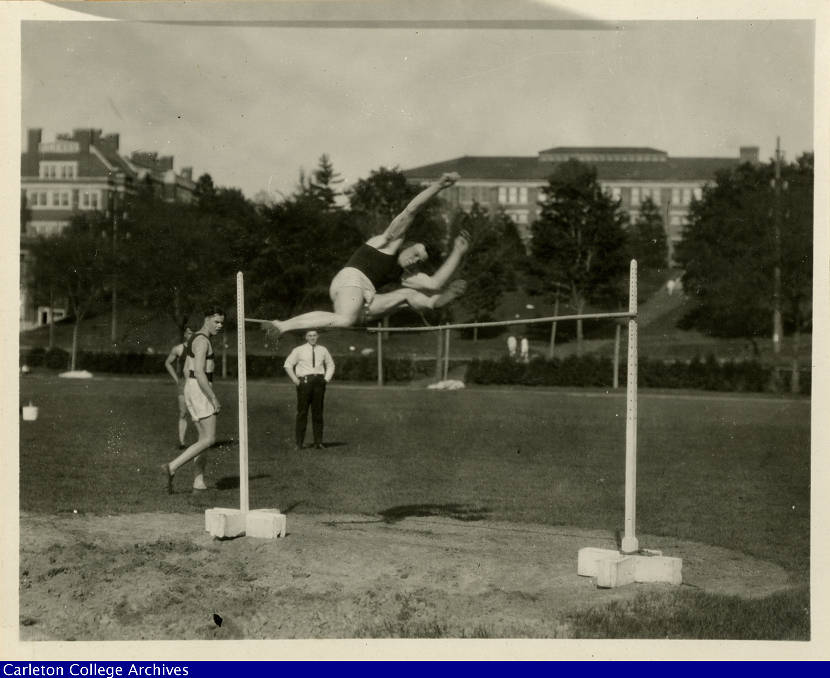
The above images may look like two different versions of the same image: one colorized, and one in black and white. Technically speaking, that is exactly what they are, except the image on the right has no basis in the reality of the picture that was taken, but was instead generated by AI. That is not to say it has no basis in reality in general; as a matter of fact, the colorization used information from thousands of images in order to predict what the black-and-white image would look like in color. However, that is the issue with using AI: the output is not actually based on the reality of the input, it is just making the best possible guess. Even though this process is potentially helpful in allowing us to see the possible colors of old images in this case, which can help people relate more with old photos, manipulating images in ways that add information that isn’t accurate is a slippery slope. In my opinion, the manipulation of any kind of photo like this should fall into the category of art, not photography or history, since it is adding information and an experience to the photo that is at the mercy of the person who is creating it, not the objective reality. In recent years we have seen image and video manipulation to the point that entire deep fake videos can be made pretending to portray another person. Even though this is much more extreme than color manipulation, the fact that these old photos are black and white is a key feature that should be taken into account when viewing them. If our history books were to only have colorized photos, it could bring up a multitude of problems, and make us forget that some of the details of these photos truly are unknown. As Ted Chiang says,
“how much use is a blurry jpeg, when you still have the original?”
Chiang, Ted. “CHATGPT Is a Blurry JPEG of the Web.” The New Yorker, 9 Feb. 2023

Hi Ethan you bring up a good point with the deep fake discussion. AI in that sense of usage can be very dangerous and harmful, especially based on biased images. Deep fakes can be used to create something that can be harmful. This technology may seem cool but I feel there should be a way to regulate their usage in the future. That was a great point you brought up in your post!
Hi Ethan,your insights into the potential pitfalls of AI-generated images, particularly the colorization of historical photos, are thought-provoking. While AI enhances our ability to predict colors in black-and-white images, the risk lies in the manipulation that adds inaccurate information. While the technology is developing, it is also important to establish the regulations for AI-enhanced or AI-generated images and videos. I also agree that sometimes the black-and-white images are actually more informative than the colored ones.